RESEARCH

Dyeing with the Earth: Textiles, Tradition, and Sustainability in Contemporary Japan, Duke University Press, 2025
In Dyeing with the Earth, I explore the intersection of small-scale traditional craft production with contemporary sustainability practices. Focusing on natural textile dyeing on the southern Japanese island of Amami Ōshima, I detail the complex relationship between preservation practices, resource extraction, and land access in the production of Oshima tsumugi kimono cloth, which uses the indigenous technique of dorozome (or mud-dyeing). As global interest in sustainable fashion grows, textile manufacturers on Amami have expanded from kimono production to dyeing garments and textiles for high-profile designers. While traditional craft may appear at odds with the large-scale global textile industry, I reveal how Amamian and global producers face similar social, economic, and environmental pressures. Ethical production in fashion, I contend, should focus on understanding local everyday practices that sustain direct relationships between people, place, and environment rather than rely on short-term solutions via new processes or materials. Weaving together ethnography, photography, and illustration, I underscore the continued relevance of traditional craft and material cultures amid ongoing climate change and biodiversity loss.
You can read reviews of the book by The Japan Times and the Journal of Urban Affairs by clicking the links.
The Promise of Planetary Health: a comparative study of progressive textile agriculture
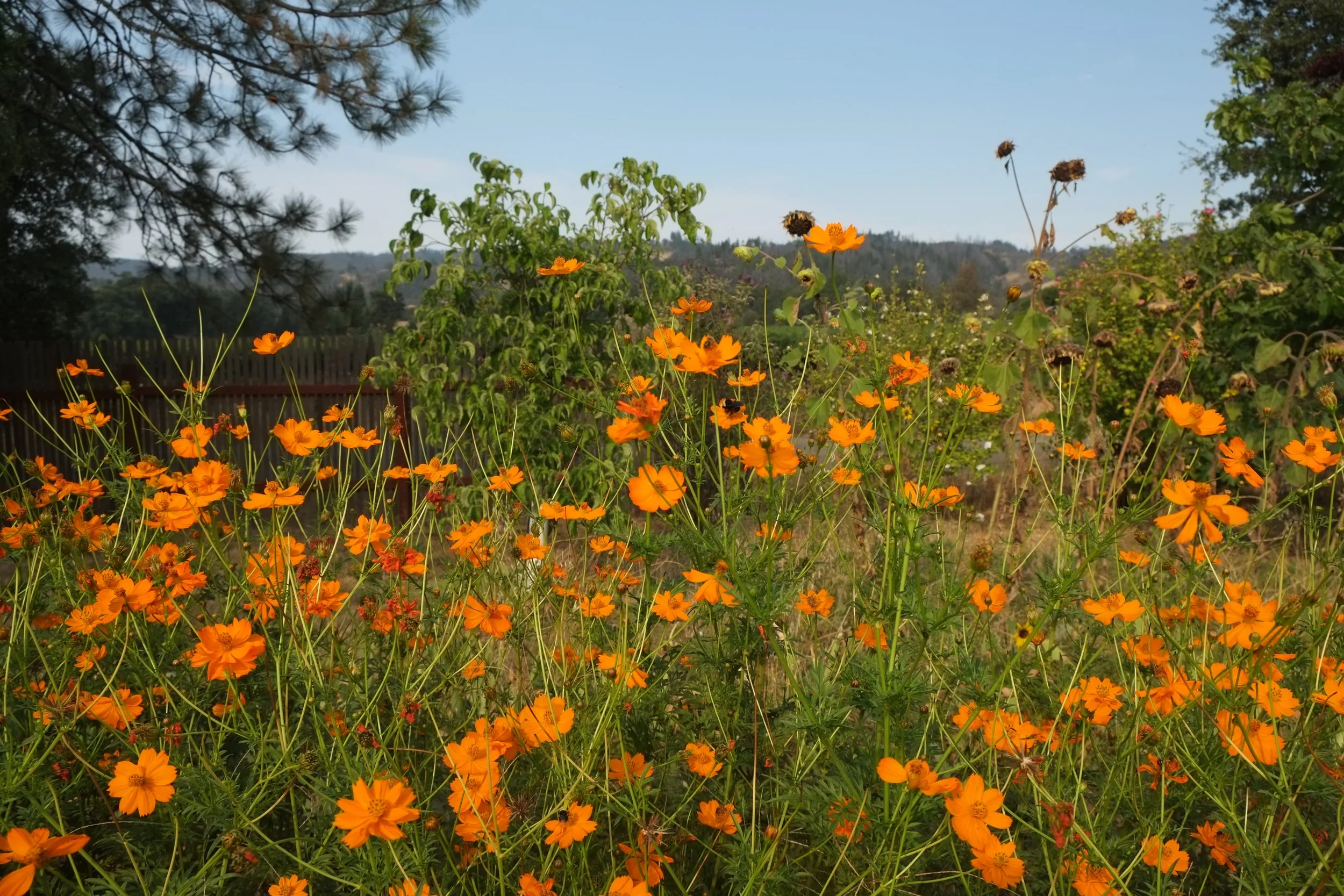
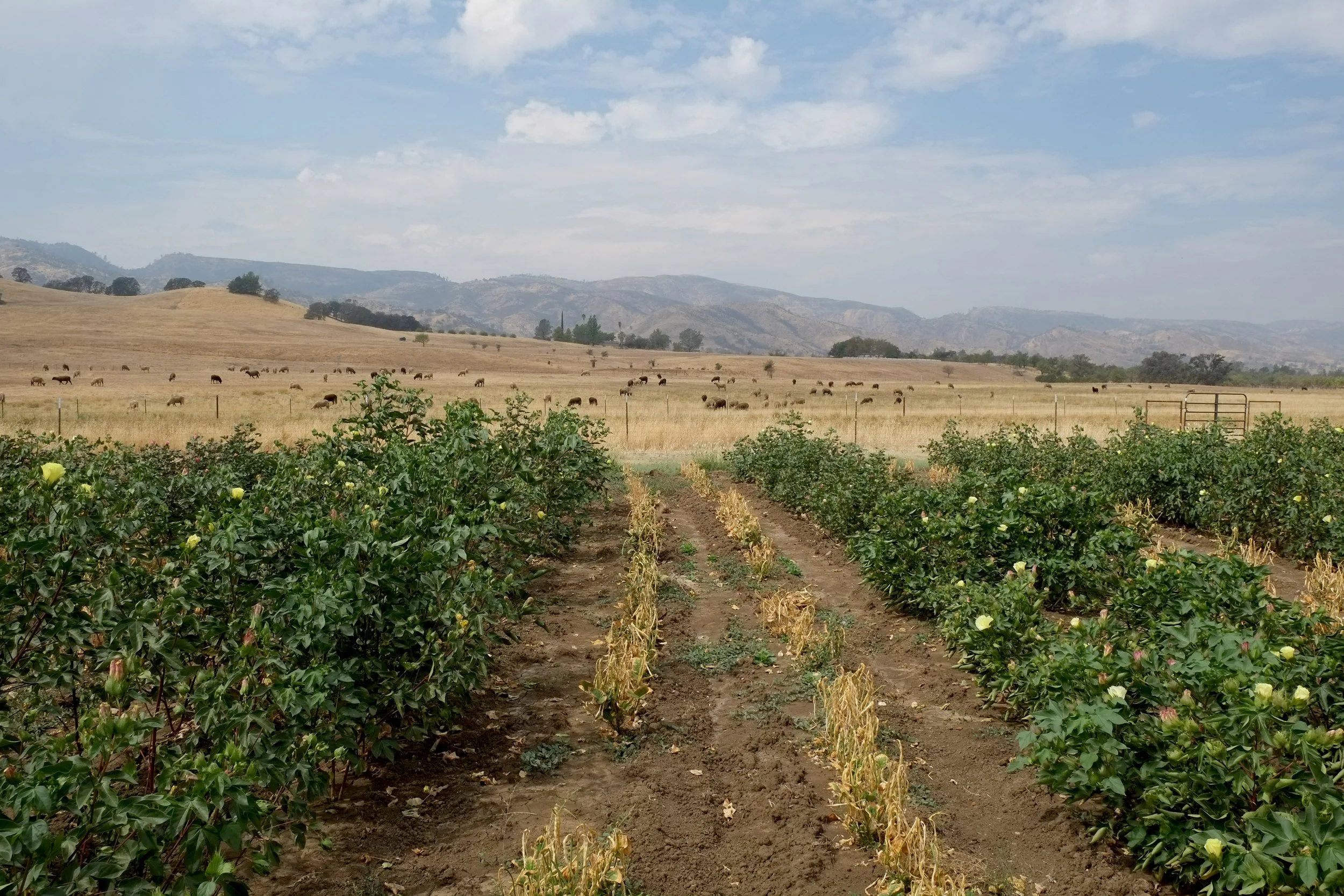
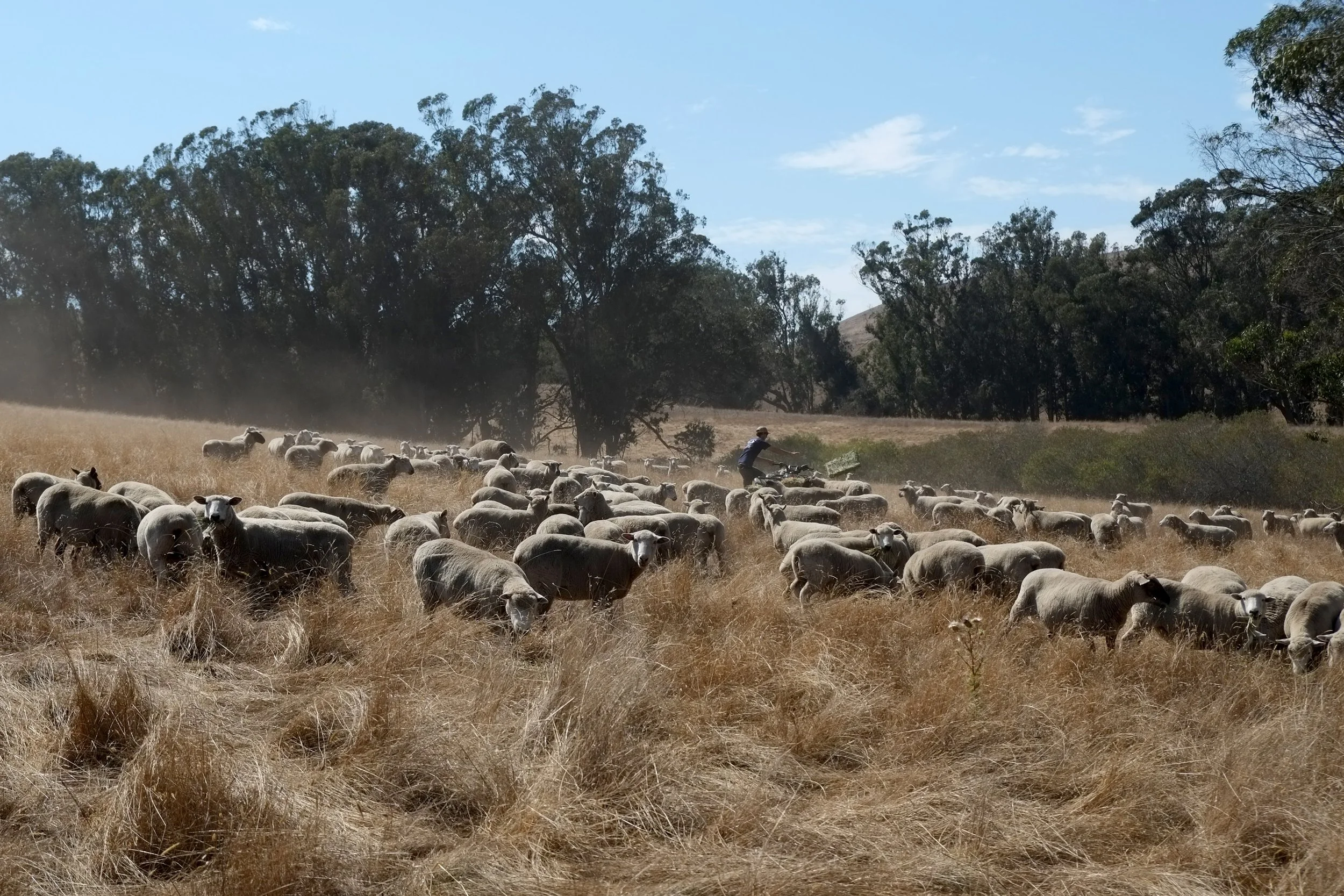
The clothing and textiles industries are collectively among the world’s largest polluters, estimated to be responsible for 4% of global CO2 emissions. Since much of the damage occurs during the growing and processing of materials, examining alternative approaches to industrial agriculture such as organic and regenerative agriculture, permaculture and agroecology – via the experience of those engaged in these approaches at the start of the supply chain – is essential. My 5-year Post-Doctoral Research Fellowship project at All Souls College aims to investigate whether the adoption of regenerative agriculture in socioeconomically diverse contexts, signals a sea change in how textiles materials could be grown more sustainably and ethically in the future, while also revitalising local economies. Further, I aim to improve understanding of how social, environmental and economic sustainability functions within alternative food and fibre networks and whether local action might ‘trickle-up’ and impact the textile industry at scale. To do this I will carry out ethnographic research across three continents with textile farmers experiencing varying extremes of climate, infrastructural and economic instability.

Revisiting Amami Ōshima’s social-ecological heritage through the lens of an American photo archive
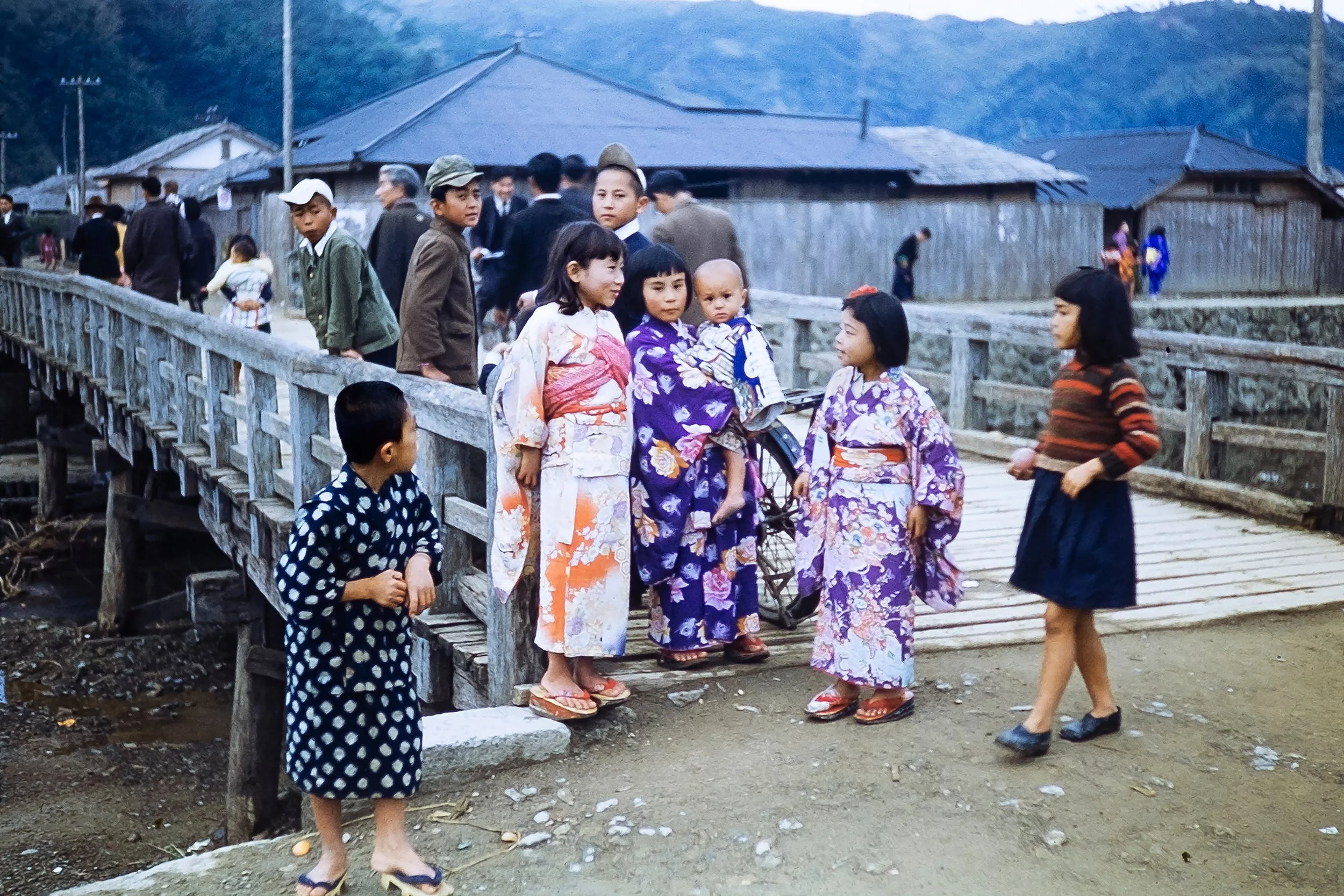
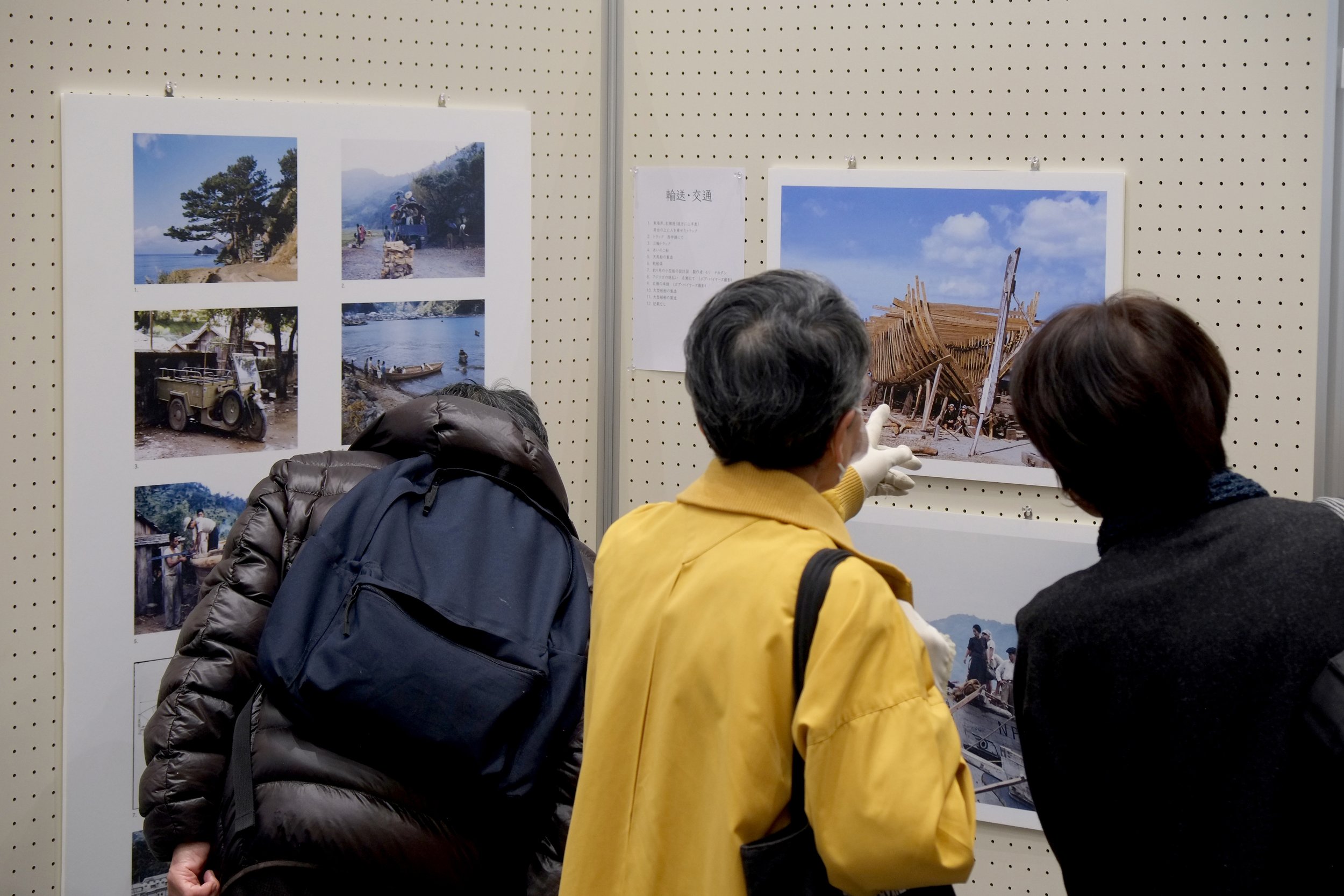
This project returned an important photographic collection of colour images and film taken at the time of the US Occupation of Japan, based in the archives of the University of Syracuse, NY, USA, to its originating community on the island of Amami Ōshima. The collection, made by American anthropologist Douglas Haring between 1951-52, contains visuals of Amamian nature, social and cultural life, industry and land management that reflects the intimate engagement that the Amamian people have historically cultivated with their environment. Using archival and empirical research, we returned the visual archive via a community-curated exhibition, which opened to coincide with the 70th anniversary of the return of Amami to Japan from the American Allied Forces on 25th December 1953. The exhibition will tour across thirteen venues throughout the Amamian islands and Kagoshima until April 2024. The project seeks to establish how everyday relationships with natural resources have changed in the 70 years since the photographs were taken and to consider how economic development and geopolitical interventions have disrupted Amami’s ecological heritage. This ongoing project is a collaboration between myself, Prof. Kei Kawai and Emeritis Prof. Sueo Kuwahara based at Kagoshima University and the Amamian community. It has financial and logistical support from Kagoshima University, the Wide Area Office Association of the Amami Islands, the Daiwa Anglo-Japanese Foundation and the Great Britain Sasakawa Foundation.
Permission to use these photos has been granted by: Douglas Haring Papers, University Archives, Special Collections Research Center, Syracuse University Libraries.

Disobedient Buildings
Disobedient Buildings, is a multi-sited research project directed by Prof. Inge Daniels about housing, welfare and wellbeing based at the Institute of Social and Cultural Anthropology at the University of Oxford. The project studies the impact of neo-liberal reforms over the past three decades on the everyday lived experiences of inhabitants of ageing tower blocks in different European welfare states. As part of this project, I have been responsible for the design of the website, branding and participant packs launched in response to the Covid-19 pandemic.
2026 ‘Glasgow Girls: A new generation of artisans are harnessing the power of nature to bring change and slow colour to their communities.’ Selvedge Magazine, July issue.
2026 (forthcoming). ‘Dorozome (Mud-dyeing): an ecologically embedded process’ in Vol. 4: Colour. The Bloomsbury Encyclopedia of World Textiles. London: Bloomsbury. ISBN: 9781472583581
2025. Dyeing with the Earth: Textiles, Tradition, and Sustainability in contemporary Japan.Durham:Duke University Press. ISBN: 9781478032212
2025. ‘Saving Katoku: A Case Study of the Conflicting Environmental and Economic Demands on Japan’s Island Communities’. Asia-Pacific Journal: Japan Focus. 2025;23:e11. doi:10.1017/apj.2025.10010.
2025. “Working the Fabric: Resourcefulness, Belonging and Island Life in Scotland’s Harris Tweed Industry: Joana Nascimento. New York, Oxford: Berghahn, 2023, 230 pages, 25 illustrations, $135.00, £104.00, ISBN: 978-1-80073-882-9.” [Book review]. The Journal of Modern Craft, 18(1), 107–109. doi:10.1080/17496772.2025.2547484
2025 ‘The Eye of the Guess is Sharper’. Orkney Science Festival Magazine Frontiers
2022. ‘Re-evaluating a tree’s ‘real worth’: The historical dispossession of ecological stewardship and its legacy for a Japanese textile tradition’. History and Anthropology, doi:10.1080/02757206.2022.2116017
2022. ‘The Mejiro bird: between commodity, conservation and companion’ in Animals matter: Resistance and transformation in animal commodification. J. Dugnoille & E. Vander Meer (eds.) Leiden: Brill.
2022.Listening for the call of place a commissioned essay written for the Cross Currents residency; a partnership conceived and organised by Bothy Project,Fogo Island Arts, and Fogo Island Workshops.
2021. ‘Sustainability reconsidered: An ethnography of natural dyeing in contemporary Japan.’ DPhil Anthropology thesis. University of Oxford. Awarded the Prof. Marcus Banks Prize in Visual Methods. School of Anthropology and Museum Ethnography, University of Oxford.
2020. ‘“Making It For Our Country”: An Ethnography of Mud-Dyeing on Amami Ōshima Island’,TEXTILE, 18:3, 250-277, DOI: 10.1080/14759756.2019.1690837
2017 ‘Domestic Pottery in Abuja, Nigeria’. In Go Woman Go! edited by Laura Aldridge. London: British Council. ISBN 9780863557934
2016 ‘Wool-Work in the Outer Hebrides: Harris Tweed, and the Intersecting Productive Forces and Frictions of Brand and Authenticity’. MSc thesis in Visual, Material and Museum Anthropology, University of Oxford.
PUBLICATIONS
TEACHING & ENGAGEMENT
I have been a Departmental Lecturer in Visual, Material and Museum Anthropology at the University of Oxford and continue to lecture on the Anthropology of Art and Design, Material Culture, Consumption, Apprenticeship methodologies, and Museum practice in the School of Anthropology and Museum Ethnography. I have also taught modules for undergraduate students at Hertford College and Magdalene College, University of Oxford, and have been an Ashmolean Junior Teaching Fellow on Krasis. I regularly supervise undergraduate dissertations and encourage students interested in pursuing doctoral studies that align with my research interests to be in touch.
I have given public and academic talks on my research in the UK, USA, Japan and Germany. I have also organised and taken part in practical sessions including bringing my fieldwork participants from Kanai Kougei in Japan to the UK and holding dorozome (mud-dyeing) workshops at Wolfson College, Oxford; the Horniman Museum, London; and the Royal College of Art, London.
METHODOLOGY
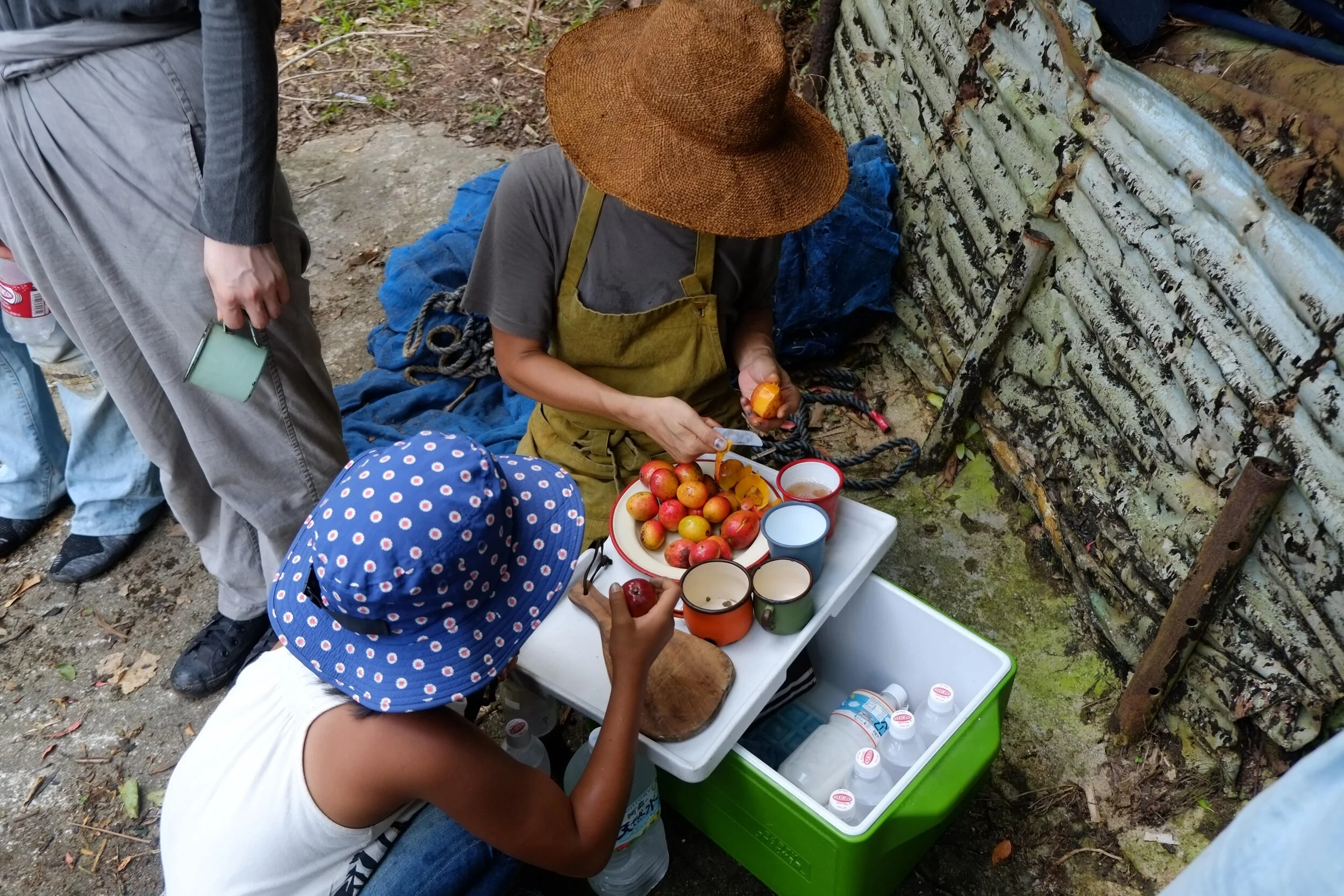
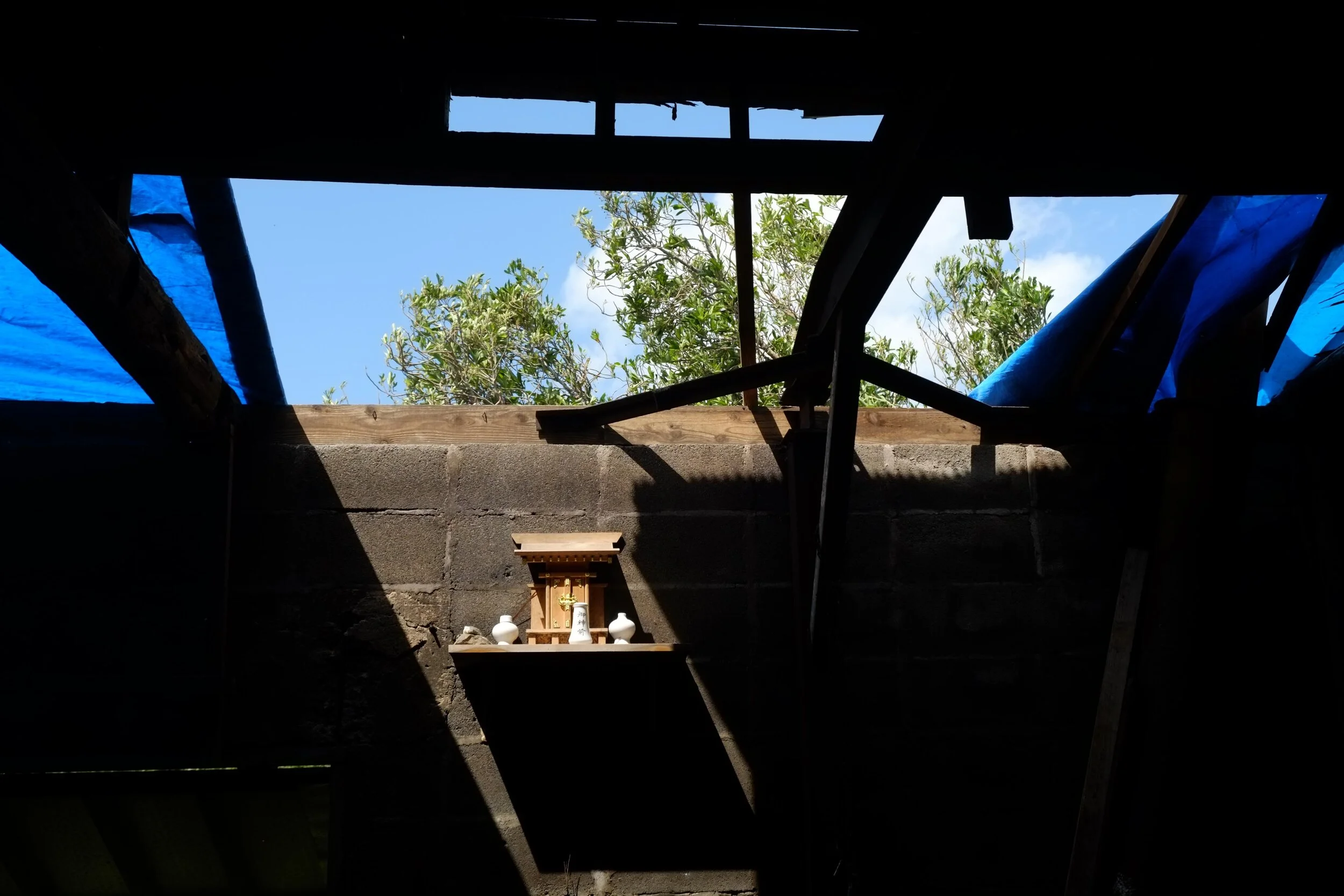
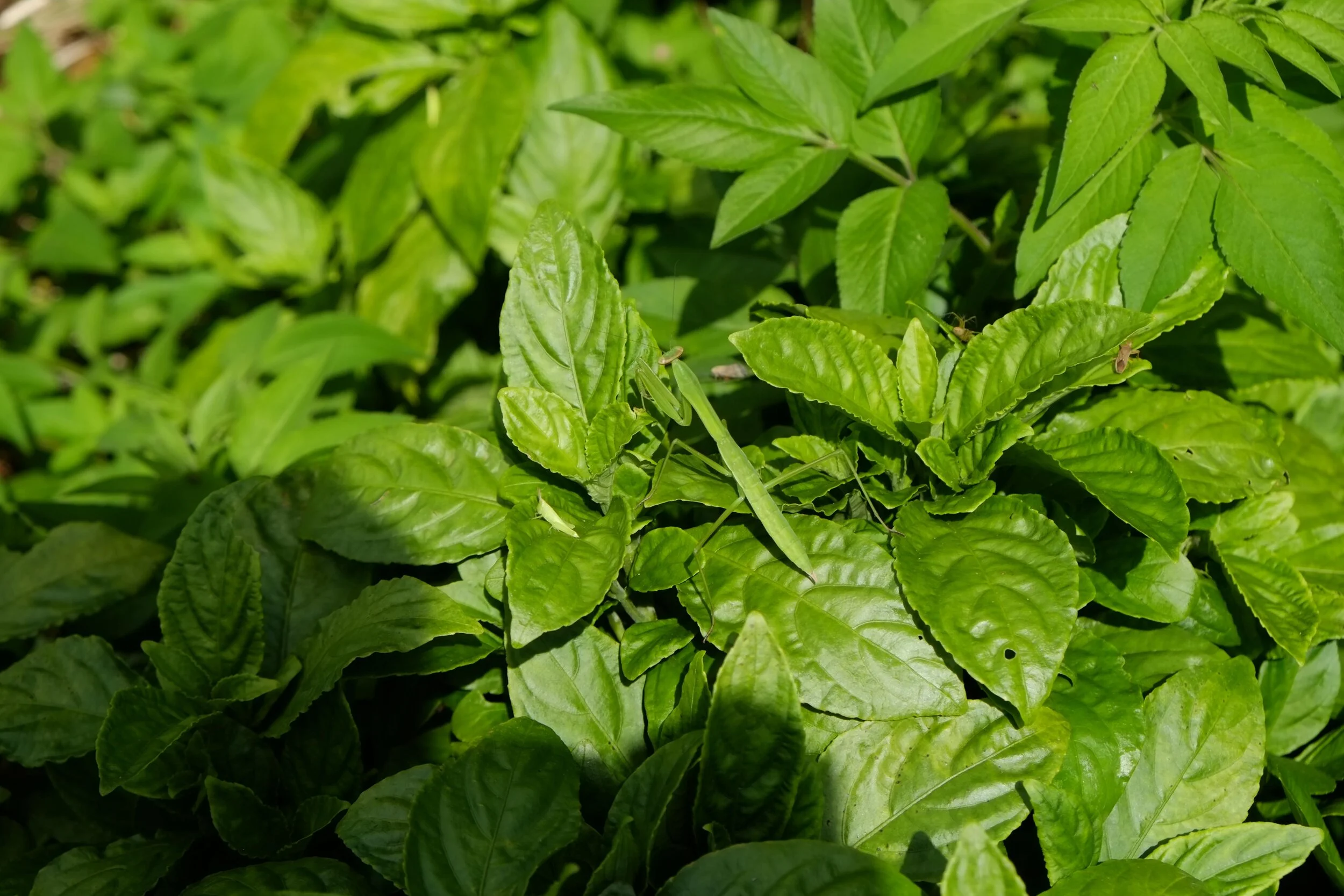

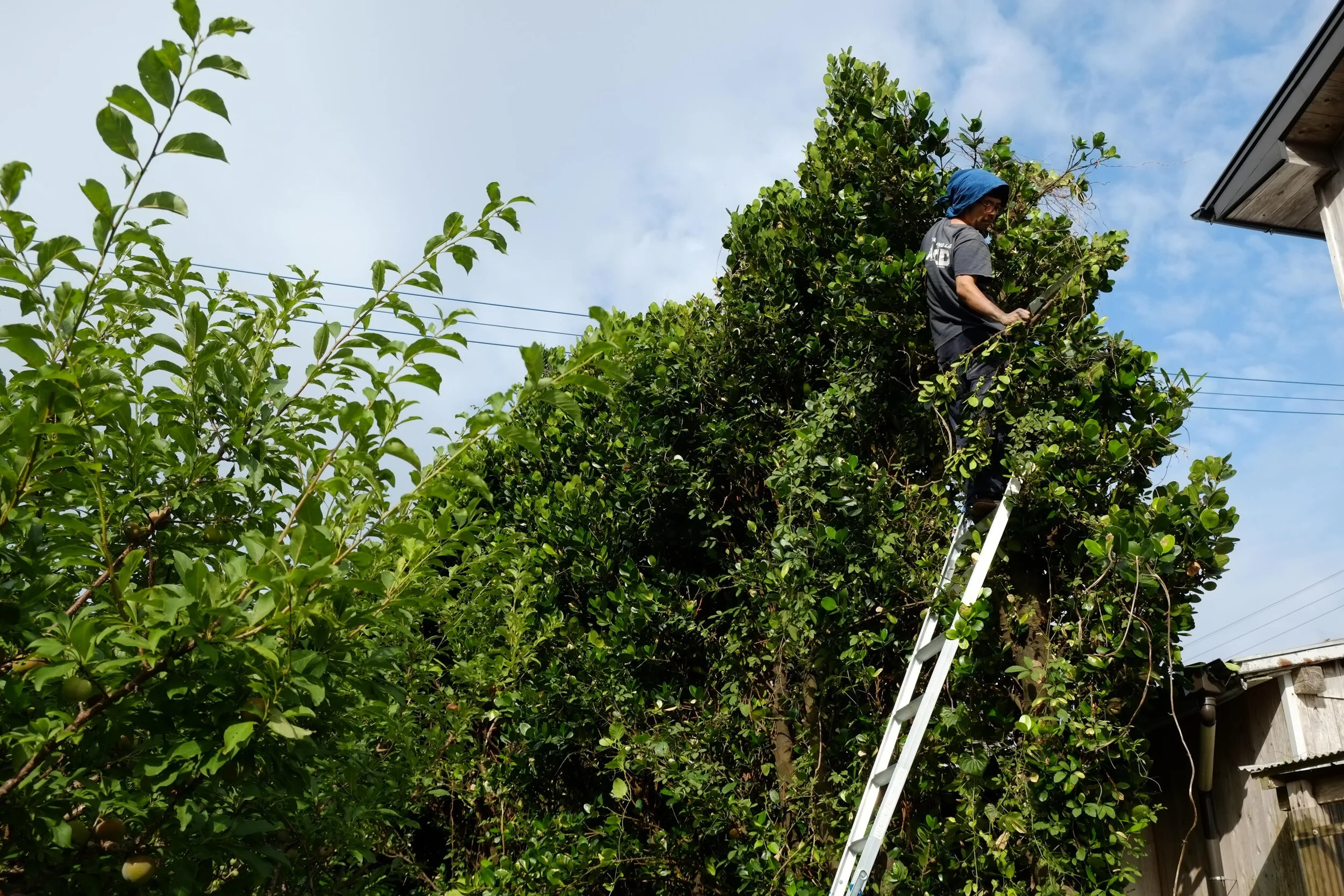


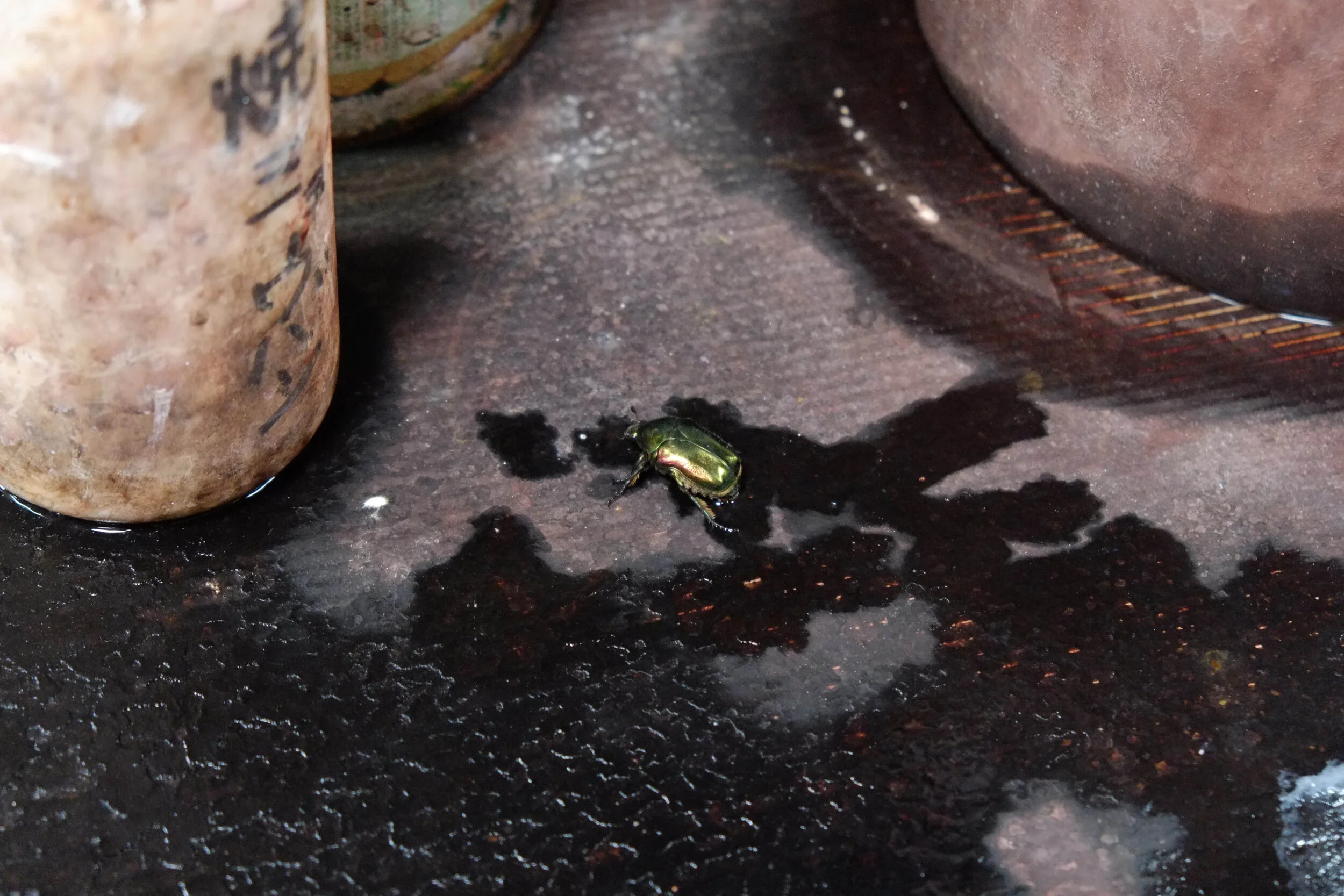
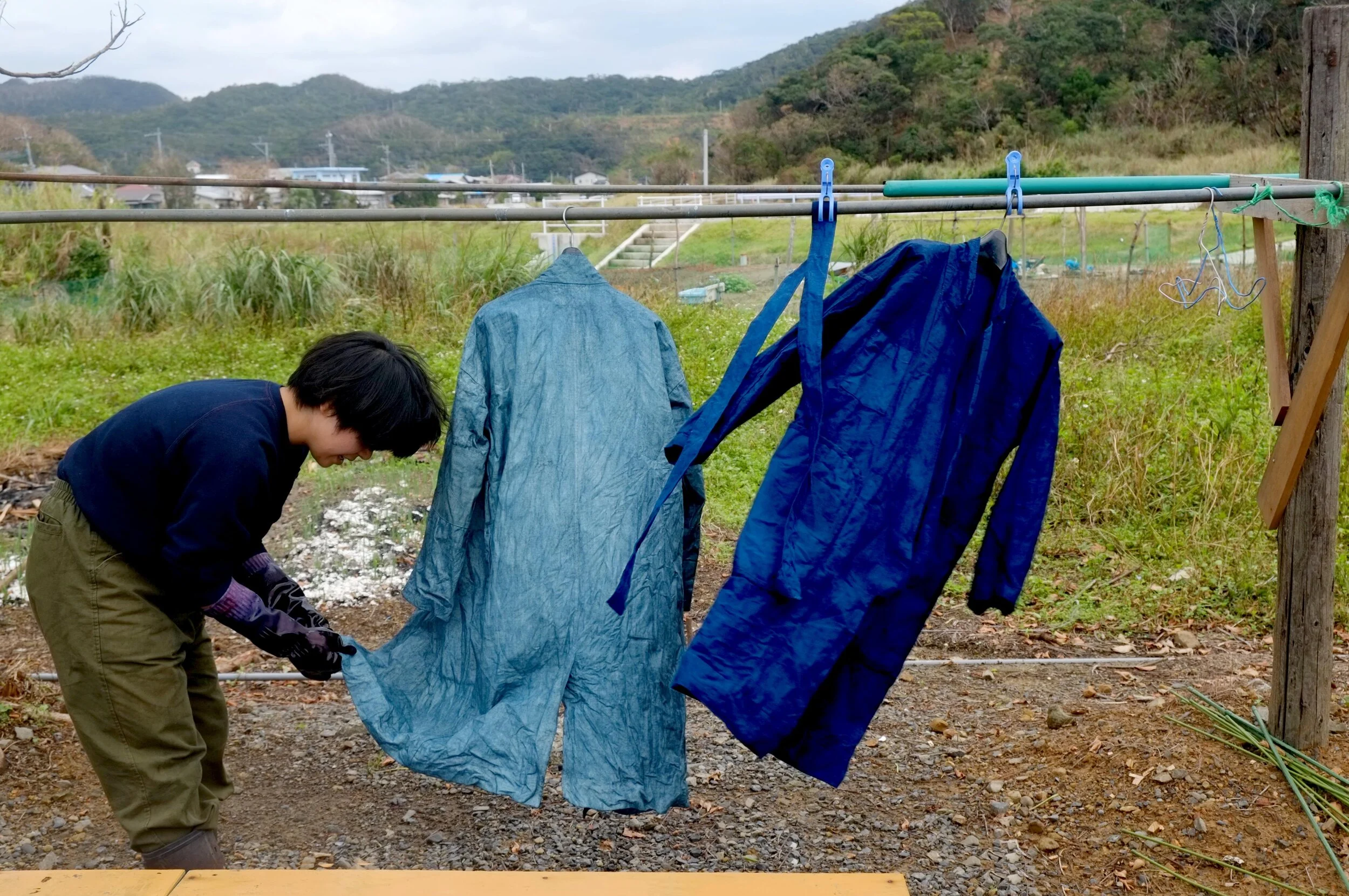


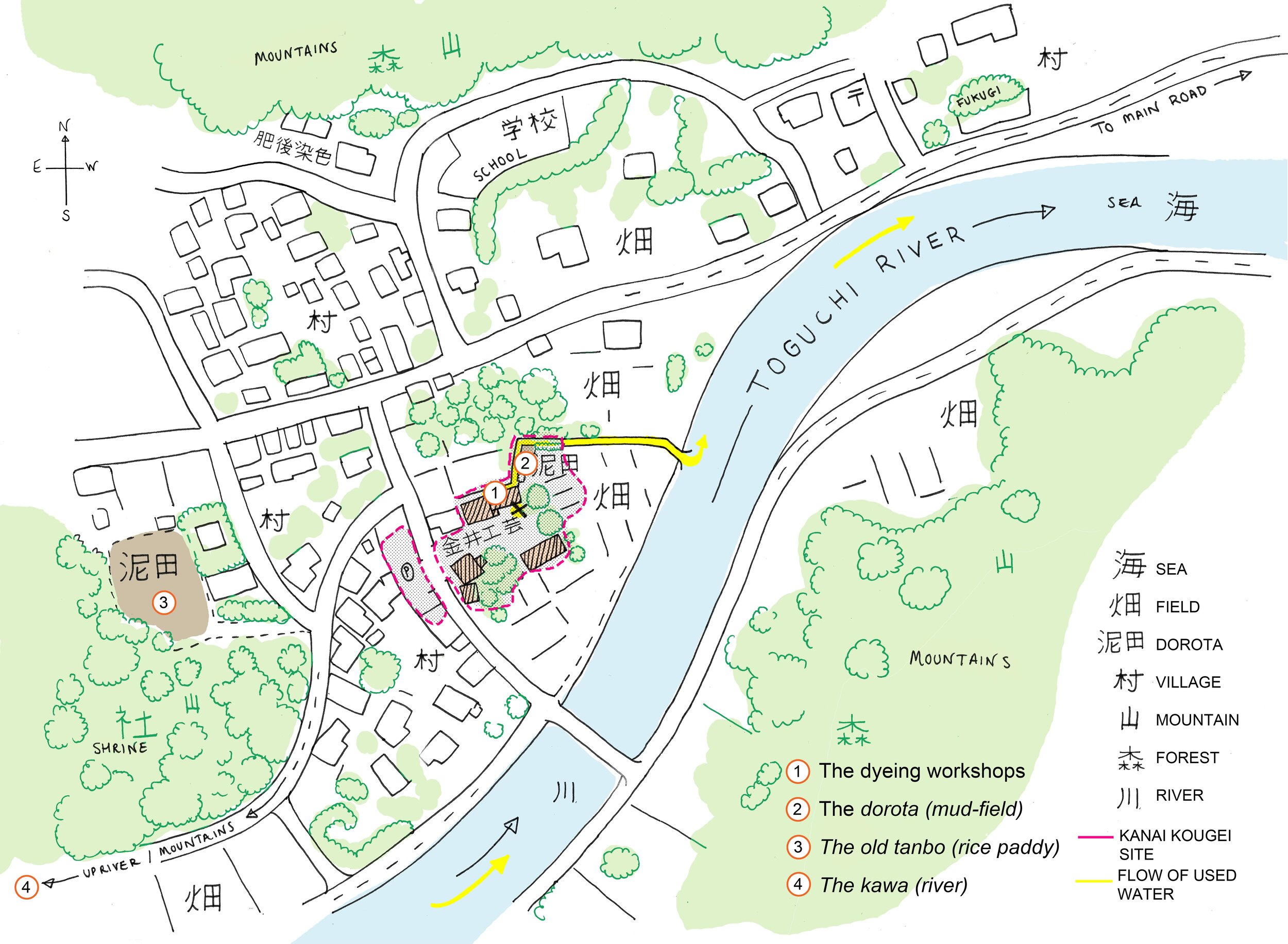
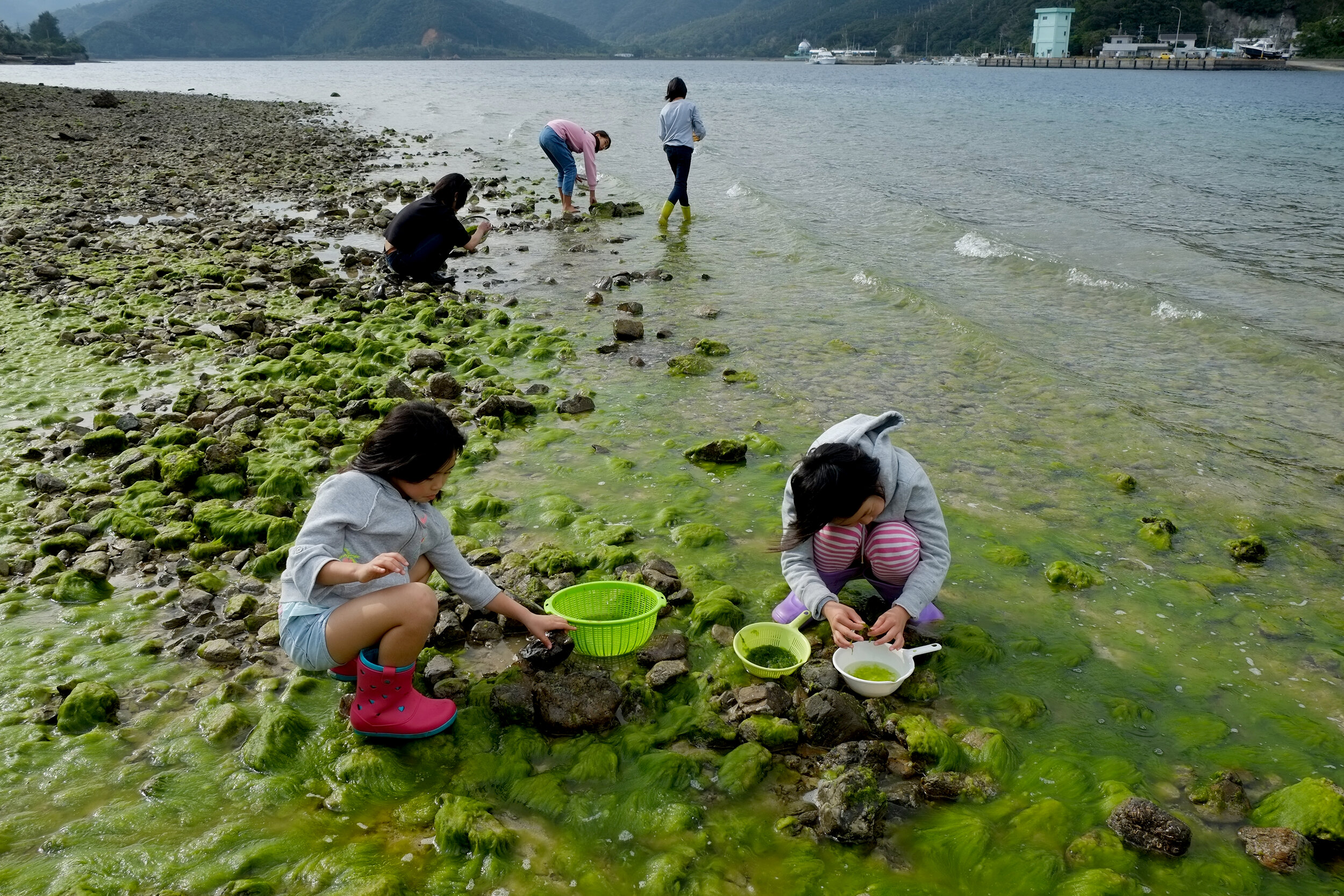
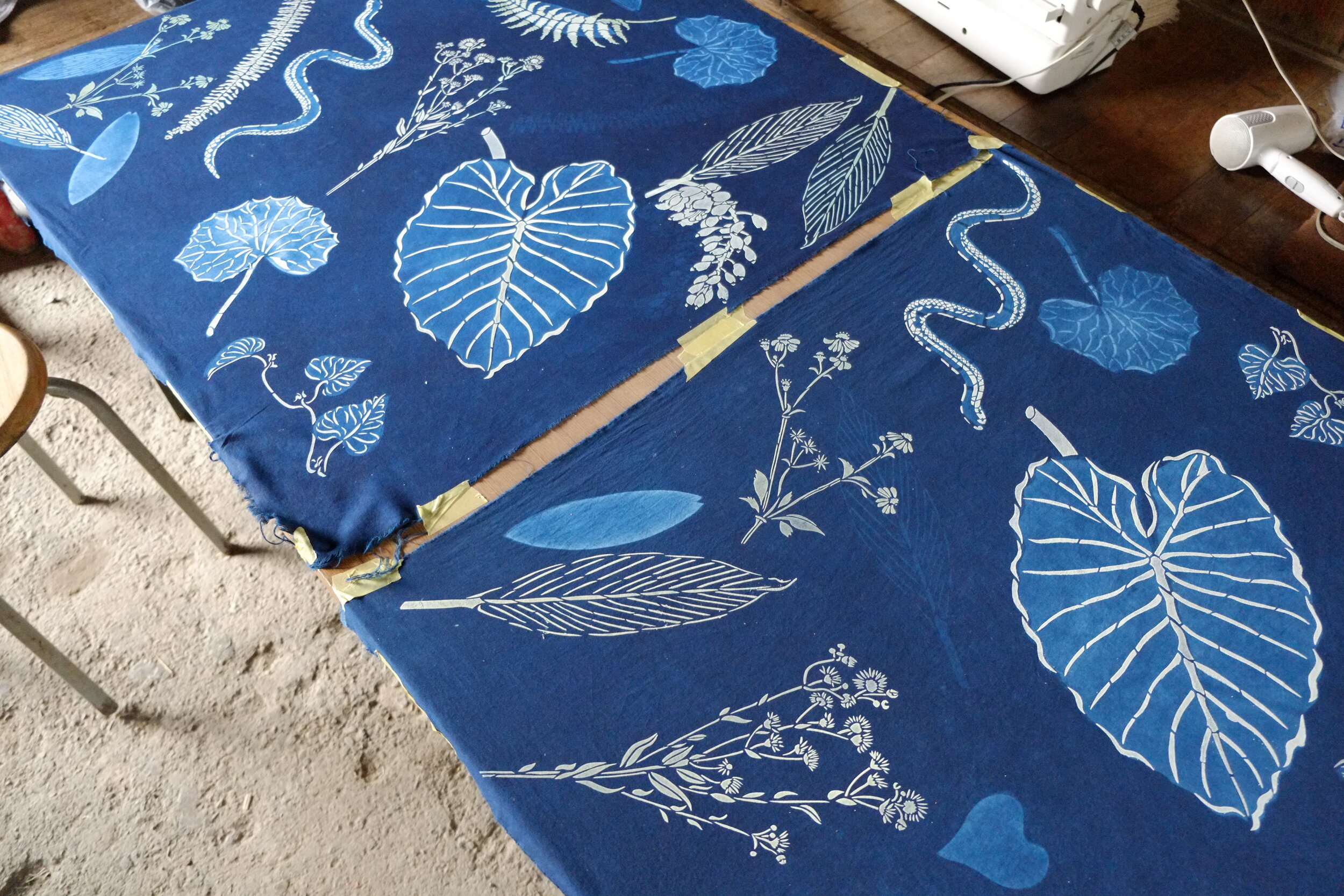


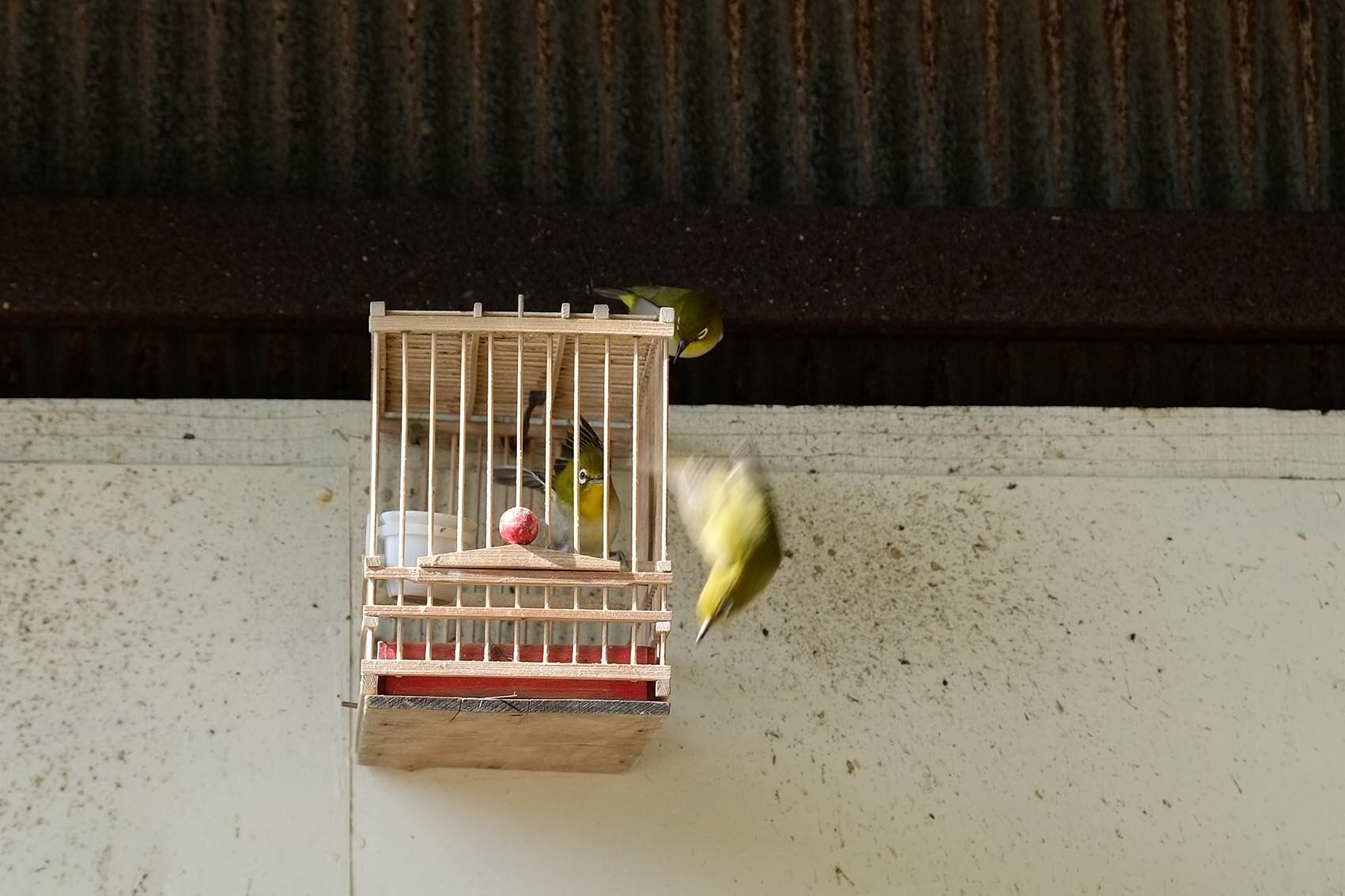

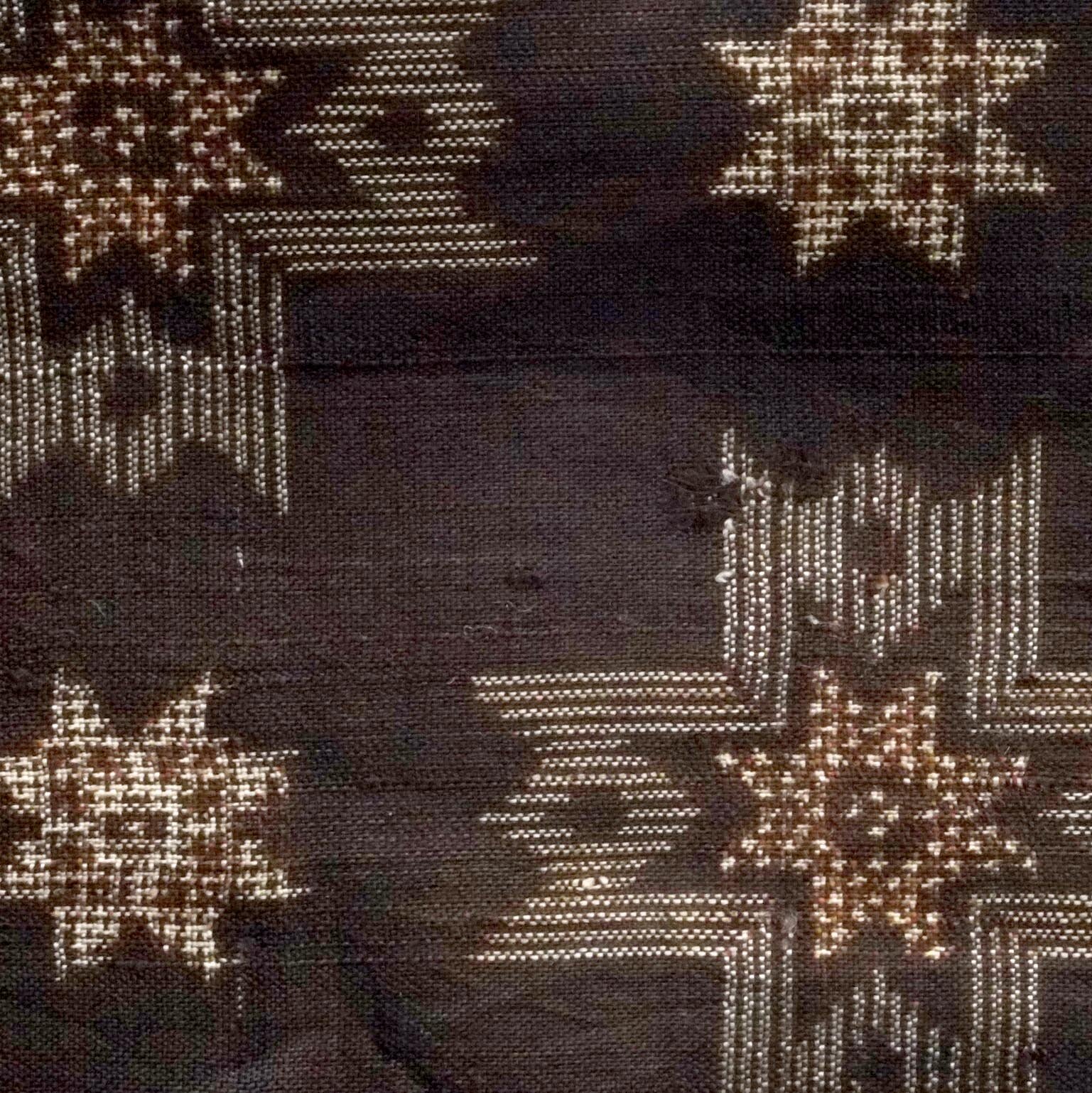
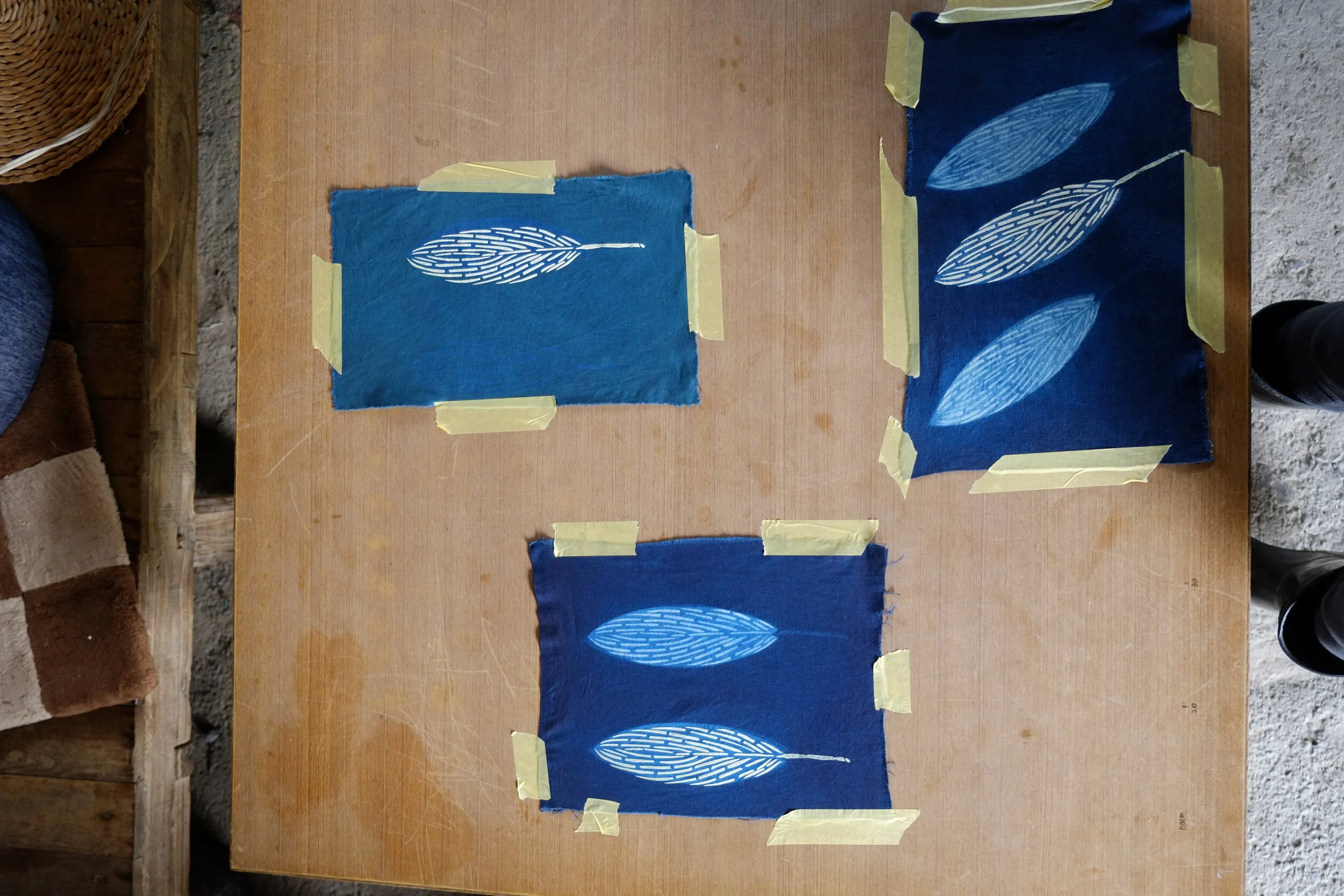
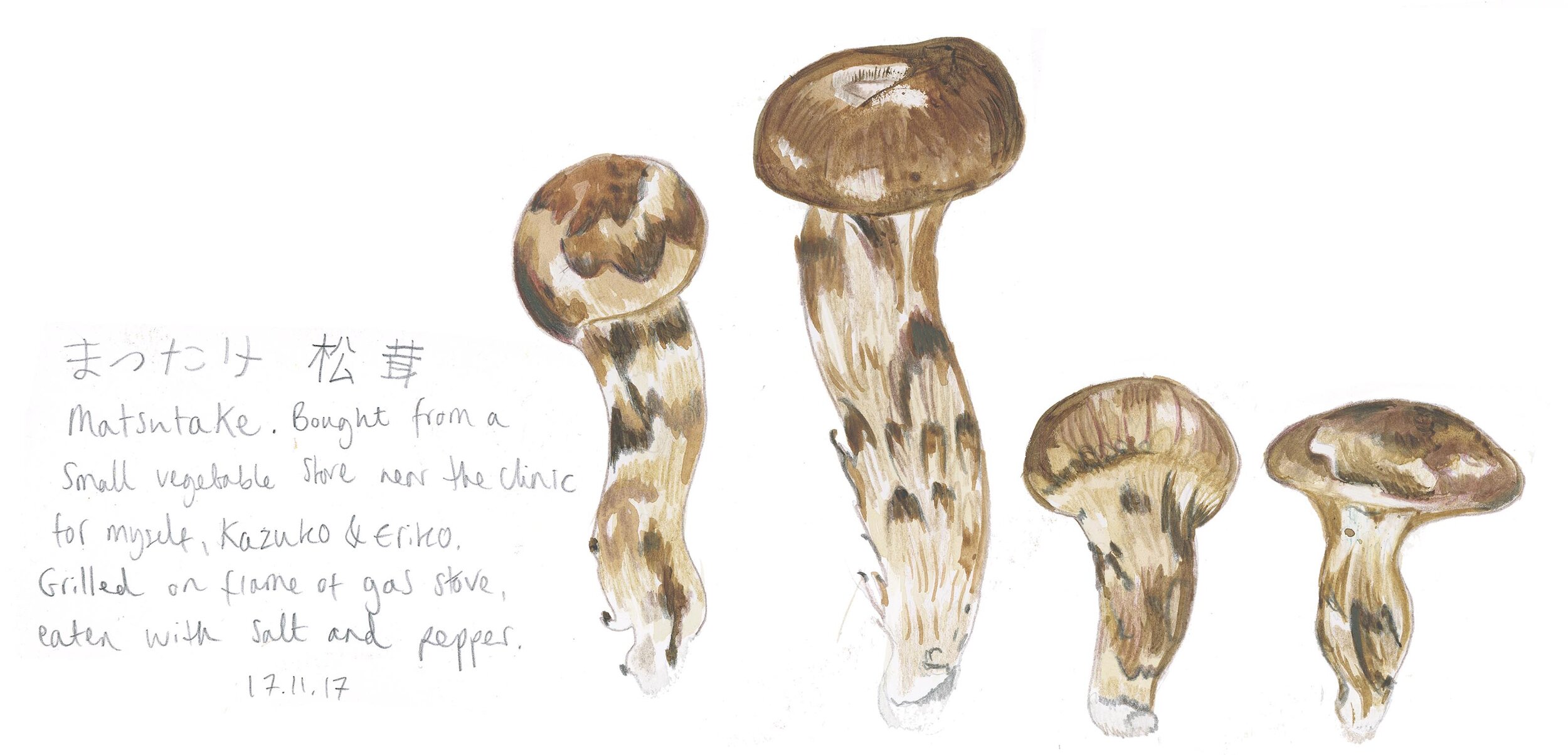
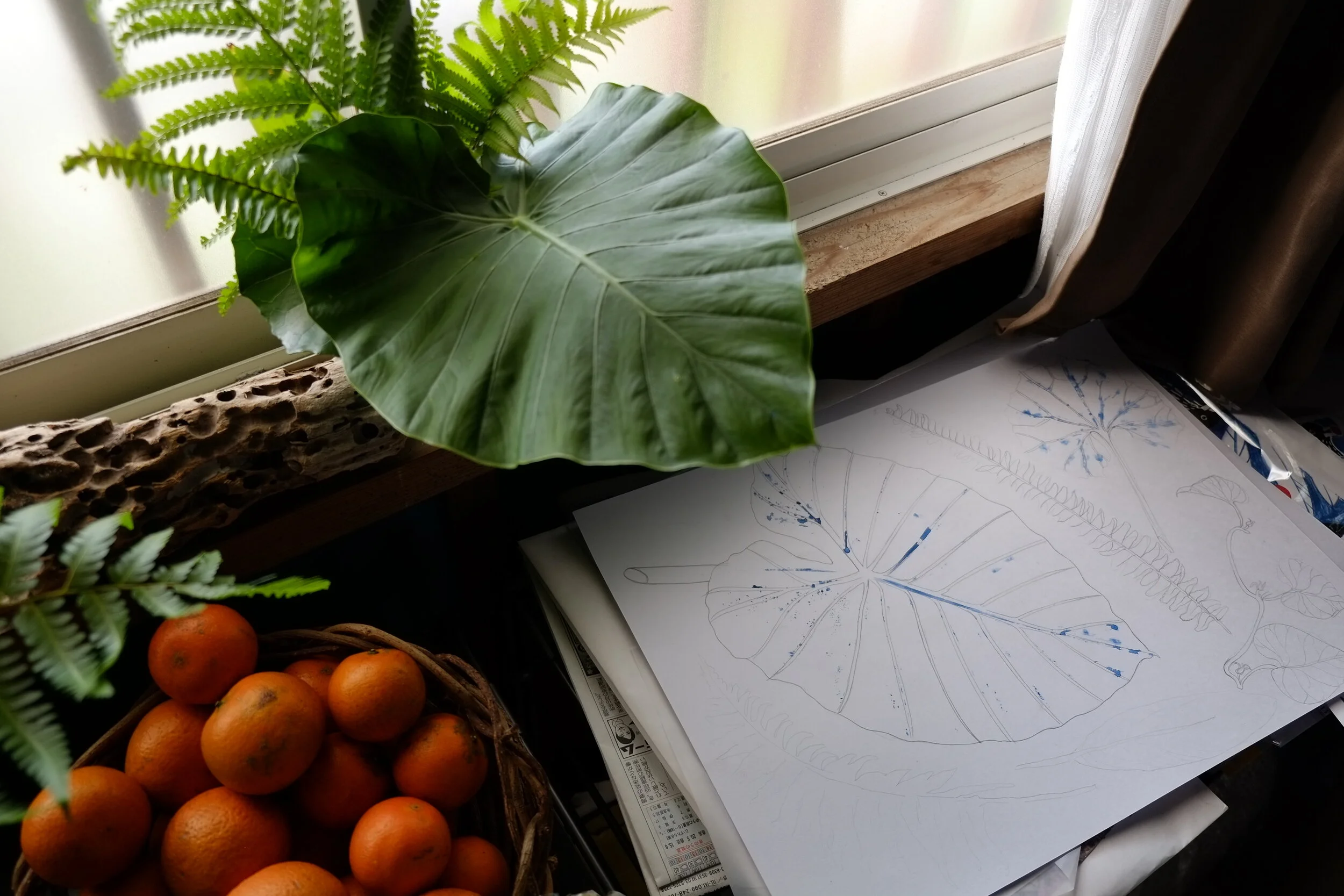
During periods of ethnographic fieldwork, I combine visual, conceptual and practical aspects of the design process with anthropological traditions of contextualisation, interpretation and theory to ask what results design as an anthropological method might yield. While photography is an exemplary recording tool for documenting, identifying and communicating my research to a non-specialist audience I also use visuals – photographs, drawings, textile designs, found images – to capture the essence of my fieldsite in order to translate my research data more holistically. Influenced by my background as a designer, where images (or inspirations) are combined into a kind of bricolage, this generative technique aims to make new visual or functional cultural forms. Yet with an awareness of this extractive practice in the commercial sphere, I instead use it to generate a line of ethnographic enquiry that combines imaginative, academic and ethical thinking. My visual anthropological approach has been incorporated into the design of my monograph Dyeing with the Earth (Duke University Press, 2025).